The RSPB's Big Garden Birdwatch has been going on for 36 years. It was started in 1979 as an activity for children and it still has that same simple idea behind it today - to count birds.
With so many people taking part each year, it helps the RSPB get an idea about how the birds in the UK are doing. The more people that are able to join in and count, the bigger and wider the data that can be collected.
Last year over 8.5 millions birds were counted. The data has shown that we've lost around 58% of our house sparrows since the birdwatch was started. This information means that the RSPB can spend time looking at why this might have happened and what they need to do in order to put it right.
All you need to do to join in is visit www.rspb.org.uk/birdwatch, sign up and download a pack.
The pack contains a record sheet and a handy bird identifier.
Your birdwatch can take place either on Saturday 30th or Sunday 31st of January. Just spend one hour recording which birds visit your garden on one of those days and send the information back to the RSPB by Friday 19th of February.
So, what are you waiting for? Download a pack and join in with the Big Garden Birdwatch.
15.1.16
Coyote I've decided, to go a long with one of my goals for 2016 - to learn something new - I'd pick one animal to research each m...
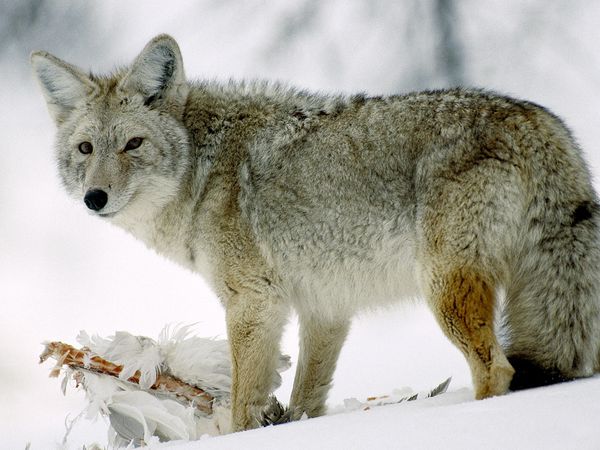
I've decided, to go a long with one of my goals for 2016 - to learn something new - I'd pick one animal to research each month. This month is a shout out to my days in Canada, the Coyote.
Photo by Edmonton Urban Coyote Project
Scientific name: Canis lantrans
Mass: 6.8 - 21kg
Height: 58 - 66cm (at shoulder)
Speed: 40mph
Coyotes are known opportunists and survivalists. They have the ability to adapt from living in the prairies and desert land, to living in forests and mountain areas. Their diet consists of small mammals such as rabbits, mice, and squirrels. They have also been known to eat lizards, frogs, and snakes. Generally coyotes will eat almost anything depending on where they're living, from livestock on farms to pets and human rubbish in built up areas.
Generally when hunting large prey, coyotes work in a small group. Unlike the wolf, who approach their prey from the rear, coyotes approach their prey from the front lacerating the throat.
It's been known that when hunting porcupines coyotes sometimes work in pairs in order to flip the animal onto its back to get to its underbelly.
Photo by Eric Smith
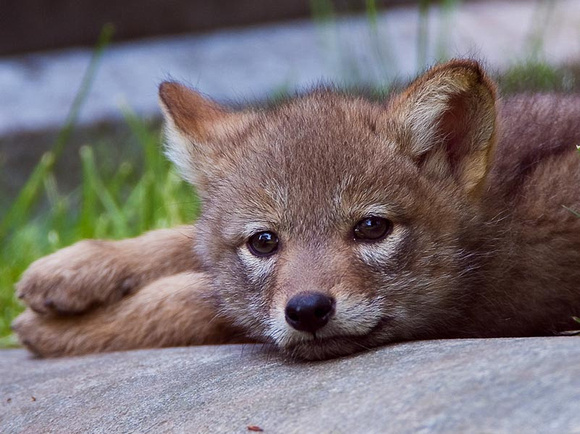
A female in heat can attract up to 7 males by scent marking and howling. Once the female choses a partner the rejected males move on. Coyotes mate between late January and March, and some remain paired for many years. On average they have 6 pups in a litter. Coyotes can mate with domestic dogs, creating what is colloquially called a 'coydog', and occasionally grey wolves, to produce 'coywolves'.
Albinism is exceedingly rare, with only 2 out of 750,000 coyotes trapped by hunters between 1938 and 1945 being albino. However, there is a population of non-albino white coyotes found in Newfoundland. It's believed that a coyote mated with a Golden Retriever and a 'white' gene was passed down.
As far back as 1250-1300 AD it's been known that coyotes often from friendships with American badgers, as they help to assist each other in digging up rodent prey. Some coyotes have been seen licking the faces of their badger friends without objection.
13.1.16
Every Child Wild is an initiative started by the Wildlife Trusts in 2015 with the aim of helping put the 'wild' back into child...
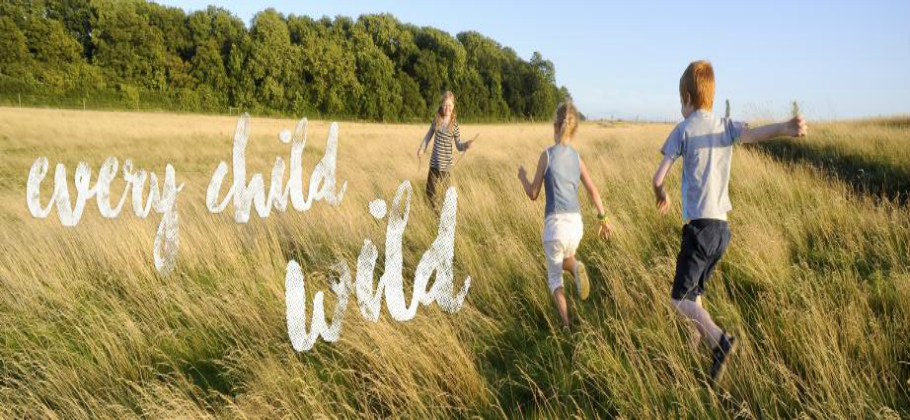
Every Child Wild is an initiative started by the Wildlife Trusts in 2015 with the aim of helping put the 'wild' back into childhood. The Wildlife Trusts are particularly concerned with the lack of contact and connection between children and wildlife in modern society.
Every Child Wild believes that children should have the right to:
1. Explore the natural world near where they live.
2. Develop a personal connection with nature from an early age.
3. Live within a safe walking distance of a local green space.
4. Learn about our total reliance on nature at school.
A YouGov poll was commissioned which emphasized the conflict between what children experienced and what their parents believed was best for them - with 91% of parents believing that children having access to an environment with nature and wildlife was important, but 78% of parents being worried that children weren't spending enough time being involved with nature.
According to the YouGov poll, over 50% of children had never found frogspawn in the wild, and 60% had never seen a peacock butterfly. Without the connection to nature and wildlife, children may be less likely to care about what happens in the natural environment, meaning that over the generations people may be less likely to protect and look out for wildlife.
By not interacting with nature, children aren't just missing out on seeing wildlife first hand, there's a greater impact. Wild places help to teach children about rational decision making and how to deal with unfamiliar situations. They also teach children about risk taking and safety, like when climbing trees. Part of this is based on learning from experience, as well as testing their own abilities.
Exploring wild spaces also encourages exercise, in a society where children aged 11-15 years currently spend around 7.5 hours in front of a screen, and 28% of kids are overweight or obese. As well as the physical implications of being outdoors, there's also the mental and emotional impact to consider. It's thought that children are happier and more creative when they're interacting with nature, with studies suggesting that living within 1km of a green space can reduce the risk of anxiety and depression.
But how can we help every child be wild?
We live in a world where people are worried about letting their children go out exploring alone. So we, as adults, need to take the time to help them find a safe way to interact with nature. My first port of call when looking for fun and creative ways to spend time outdoors is Pinterest. Here's just a couple of ideas that I found.
Whether it's a day trip to the beach, or half an hour in the garden, a nature hunt is a sure fire way to get the kids involved in nature, as well as exercising. Simply write a list of possible finds, and see what you and your little one can discover. DIY Bug Hotel
This one's primarily aimed at people who have a garden, or a green space near by. The best thing about this is that you can make use of a rainy day and create the hotel indoors. All you need to do is spend some time outdoors collecting a few sticks, pine cones, leaves, and some wood. Don't forget to keep an eye out on what bugs are moving in.
Take the kids to the park and get them to collect leaves of different shapes and sizes, twigs, acorns. Anything that you can dip into paint and use like a stamp to create a fun nature pattern.
Ask your child to think of an animal and get them to close their eyes and pose like the animal for as long as they can hold it. Animal Yoga helps children to refine their balance, develop concentration and focus, as well as helping them connect with wildlife. SkyView
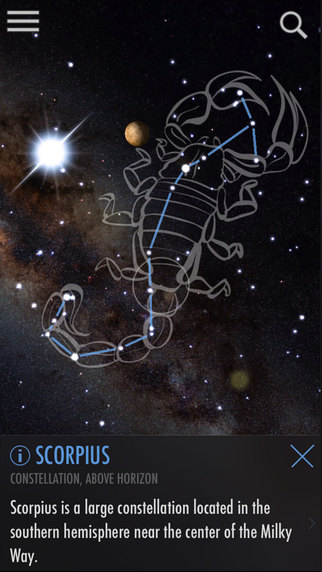
For older children, or those that you simply can't part with technology, why not download an app called SkyView. All you have to do is go outside and point your device at the sky, it then tells you about the stars and constellations you're looking at.
To find a Wildlife Trusts nature reserve near you, click here.
Back in England I never really paid that much attention to birds, other than when a woodpecker would occasionally visit the garden.
But ever since seeing a hummingbird on the farm in Ontario, birds have started to pique my interest.
Living in a city, I don't get to see much variation, but these are the three I've managed to snap from my balcony this week.
Pigeons
Pigeons are possibly one of, if not, the most underrated birds. Let's face it, nobody likes walking through town and having a pigeon with gammy feet flying at their face.
However, pigeons are considered to be a very intelligent bird, and are one of the few species that have been found to pass the Mirror Test - a test of self-recognition. They can also be trained to recognise different letters of the alphabet, and distinguish between photos presented to them.
Pigeons mate for life and tend to rebuild their nests in close proximity to their old ones, resulting in a lot of pigeon droppings and being labelled as pests in modern society. But pigeon poo was once thought of as the best kind of fertiliser, and an important ingredient of gunpowder.
Swainson's Hawk
After a bit of research, I'm fairly sure this is a female Swainson's Hawk. The Government of Alberta has given the Swainson's Hawk the classification of 'sensitive' on the Wild Species at Risk Status, due to the use of pesticides on their wintering grounds in Argentina.
They usually feed on ground squirrels, mice and occasionally small birds.
Black-capped Chickadee
At last, a visitor to my bird feeder!
I heard a few chirps outside and went to investigate, thankfully he stayed long enough for me to get a few photos as they usually just grab a few seeds to take away and hide in a number of different locations, in order to eat them later.
Apparently, in the autumn Chickadees are able to let their old neurons die and replace them with new ones, wiping out old memories and creating a new storage space. This helps them remember changes within their flock and environment, as well as locations where they've hidden food.
The Inglewood Bird Sanctuary has just reopened after being closed for a couple of years due to flooding in 2013. Hopefully I can get over there soon and add some more birds added to my memory card.